


Cozy Home Goods Trends and Tips for a Stylish Space
A home can look beautiful and still feel cold. The real magic happens when a room supports daily life: a soft throw within reach, warm light at dinner, a tray that gathers the little things, and textures that make the whole space feel calm.
That idea sits at the heart of our online home goods shop. We choose pieces that are easy to live with, not just easy to photograph. Our collection focuses on cozy textures, practical design, warm natural materials, and timeless style that works across many homes.
Home decor trends come and go, but comfort has staying power. Right now, the best interiors feel personal, layered, and relaxed. They mix old and new, smooth and handmade, clean lines and soft finishes. Our home goods fit right into that shift because they are designed to make everyday spaces feel more thoughtful without making them feel too perfect.
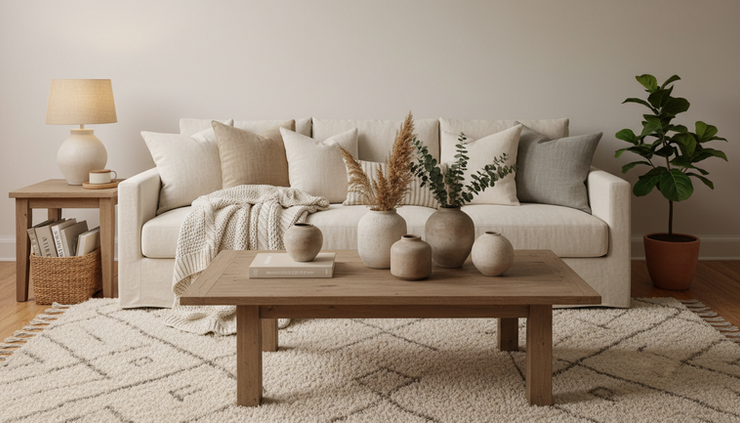
The home decor trends making rooms feel warmer
The strongest home decor trends right now all point in the same direction: rooms should feel lived-in, relaxed, and full of character. The cool, bare spaces that once filled mood boards have softened. People want homes that feel grounded.
Natural materials are back in focus
Wood, stone, cotton, linen, rattan, jute, and ceramics are showing up everywhere. These materials bring warmth without trying too hard. They also age well, which matters when a home is filled with pieces used every day.
Our collection leans into these materials through items such as:
Hand-finished ceramic bowls and vases
Woven baskets for storage and styling
Cotton and linen blend pillow covers
Wood trays and tabletop accents
Textured throws with a soft, relaxed feel
Natural materials work because they add depth. A plain room can feel flat when every surface is smooth. Add a woven basket, a nubby pillow, and a ceramic lamp base, and the space starts to feel more complete.
Soft minimalism is replacing cold minimalism
Minimalism is not going away, but it is becoming warmer. Soft minimalism keeps the clean look but adds comfort through rounded shapes, warm neutrals, and useful decor.
Instead of a shelf filled with objects, picture three meaningful pieces: a sculptural vase, a low bowl for keys, and a framed print. Instead of a bare sofa, picture two textured pillows and a throw in a warm oat or clay tone.
This is where our products shine. We look for home goods that have a quiet presence. They add style, but they do not demand attention from every corner of the room.
Earthy colors are easy to live with
Warm whites, sand, taupe, olive, terracotta, rust, soft black, and muted blue are all popular because they feel calm and flexible. These colors pair well with wood floors, white walls, painted cabinets, and mixed furniture styles.
A customer once told us that switching from bright white pillow covers to warm oatmeal and clay tones made her living room feel “finished” without buying new furniture. That is the kind of change we love. Small updates can shift the whole mood of a space.
What makes our online home goods different
Shopping for home goods online should feel simple, clear, and inspiring. It should not feel like guessing. We built our collection around pieces that solve real home styling problems: empty corners, cluttered surfaces, stiff sofas, cold bedrooms, and tables that need a little warmth.
Our approach is practical. We ask a few questions before adding anything to the shop.
Does it feel good to use?
Does it mix easily with other pieces?
Can it work in more than one room?
Will it still look good next year?
If the answer is yes, it belongs.
We choose pieces that layer well
The most stylish homes rarely rely on one statement item. They feel rich because they are layered. A sofa might have a linen pillow, a velvet pillow, and a woven throw. A dining table might have a wooden bowl, taper candles, and a simple runner. A bedroom might mix crisp sheets with a soft quilt and a textured lumbar pillow.
Our goods are selected to work together in that same way. The colors are warm and flexible. The textures are varied without clashing. The shapes are simple enough to mix with vintage finds, family pieces, or furniture already in place.
Our products are made for everyday use
A beautiful basket should hold extra blankets. A tray should make a coffee table easier to manage. A vase should look good with fresh stems, dried branches, or nothing at all.
We love products that do more than one job. For example:
A woven basket can hold toys in the living room, towels in the bathroom, or scarves near the entry.
A wood tray can organize candles, remotes, and books on a coffee table, then move to the kitchen for serving.
A ceramic bowl can hold fruit, keys, ornaments, or seasonal accents.
A textured throw can warm up a sofa, soften a reading chair, or add depth to the foot of a bed.
That flexibility matters, especially in homes where space has to work hard.

Simple ways to create a cozy and stylish home
A cozy home does not require a full makeover. It often starts with adjusting what is already there, then adding the right supporting pieces. The goal is to make rooms feel warm, balanced, and easy to enjoy.
Start with one anchor texture
Every room needs a texture that sets the tone. In a living room, that might be a chunky throw. In a bedroom, it might be a quilt or a pair of linen pillows. In an entryway, it might be a woven basket.
Choose one piece that adds softness or warmth, then build around it. If the room has sleek furniture, bring in nubby fabric or woven fibers. If the room has lots of soft upholstery, add wood, ceramic, or metal to create contrast.
Texture is the fastest way to make a room feel cozy without adding clutter.
Use trays to make surfaces feel intentional
Coffee tables, nightstands, and counters gather stuff. A tray gives those items a home. It turns a loose group of objects into a small styled moment.
Try this simple formula for a coffee table:
One tray
One small bowl
One candle or vase
One stack of books
One natural accent, such as dried stems or a small plant
The tray keeps everything grounded. It also makes cleaning easier, which is a quiet but real luxury.
Layer pillows with purpose
Too many pillows can make a sofa annoying to use. Too few can make it look unfinished. A good starting point is two to four pillows on a standard sofa, with a mix of sizes and textures.
For a relaxed look, pair:
One larger neutral pillow
One smaller patterned or textured pillow
One lumbar pillow for shape
One throw draped over the side or back
The mix should feel casual, not staged. If every pillow matches exactly, the room can feel flat. If every pillow competes, the room can feel busy. The sweet spot sits in the middle.
Warm up lighting at night
Lighting changes the whole mood of a room. Overhead lights can be useful, but they often feel harsh on their own. Table lamps, floor lamps, and candles create softer pools of light.
Place lighting where life happens. Add a lamp near a reading chair, a candle on a dining table, or a small lamp on a console. Warm light makes natural materials look richer and makes evening routines feel calmer.

How our pieces fit different rooms
One reason we love versatile home goods is that they travel well from room to room. A piece bought for one spot can find a new purpose later. That makes decorating feel more playful and less wasteful.
In the living room
The living room is usually where comfort matters most. Start with the sofa, then layer out from there.
A textured throw adds softness. Pillow covers bring color and pattern. A wood tray helps control the coffee table. A basket keeps blankets, magazines, or pet toys nearby without visual clutter.
One customer shared that she kept moving a large woven basket from the living room to the hallway because it worked so well in both places. She later ordered a second one and wrote, “It is the first storage piece I have owned that I do not feel the need to hide.” That is exactly the balance we look for: storage that feels like decor.
In the bedroom
A bedroom should feel restful first. That does not mean plain. Texture does a lot of the work here.
Try layering crisp sheets with a soft quilt or throw. Add two sleeping pillows, two decorative pillows, and one long lumbar pillow if the bed needs structure. Keep the nightstand simple with a ceramic dish, a small lamp, and one personal item.
A woven basket at the foot of the bed can hold extra blankets. A ceramic vase with dried stems can add height without needing weekly upkeep.
In the kitchen and dining area
Kitchens are full of hard surfaces, so natural textures help soften the room. A wood board leaning against the backsplash, a ceramic bowl filled with fruit, or linen napkins on the table can make the space feel warmer.
For dining, keep a few flexible pieces on hand:
A runner or folded linen pieces for texture
Taper candles for height
A low bowl or vase for the center
Woven placemats for casual meals
These pieces work for weeknight dinners and small gatherings. No full tablescape required.
In the entryway
The entry sets the tone for the home. It also has to handle daily clutter. A tray for keys, a bowl for loose items, and a basket for shoes or bags can make the space feel calm right away.
Even a small entry can feel styled with the right mix: one mirror, one surface, one catchall, and one texture. Keep it simple, and let usefulness guide the look.
A personal note from our own homes
Our shop started with a simple frustration: so many home goods looked pretty online but did not feel right in real life. Pillows were scratchy. Baskets lost their shape. Decorative pieces were either too trendy or too plain. We wanted pieces that looked good in photos but felt even better at home.
One of our favorite early moments came from packing a small order that included a clay-toned pillow cover, a woven throw, and a ceramic bud vase. The customer later sent a note saying she had used the pieces to refresh the chair by her bedroom window. It had become her morning coffee spot.
That small story stayed with us. A single corner can change how a home feels. A chair becomes a ritual. A basket makes cleanup easier. A lamp makes reading more inviting. A pillow makes guests settle in longer.
Home goods are never just objects. They shape the little habits that make a home feel like home.

Tips for shopping home goods online with confidence
Buying decor online can feel tricky, especially when color, scale, and texture matter. A few habits make it much easier.
Check materials before color
Color catches the eye first, but material affects how a piece feels and lasts. Cotton, linen, ceramic, wood, and woven fibers each bring a different mood. Look for material notes and texture close-ups when picking pieces.
If a room feels cold, choose woven, nubby, or matte finishes. If a room feels too heavy, add lighter textiles or smooth ceramics.
Measure the spot before buying
Scale is one of the biggest reasons decor feels off. A tiny vase can disappear on a large dining table. A huge pillow can overwhelm a small chair.
Use painter’s tape or a piece of paper to map out the size before ordering. This is especially helpful for baskets, trays, pillows, and tabletop decor.
Build a small palette
Pick three to five colors for the room and repeat them. They do not need to match exactly. In fact, slight variation looks more natural.
A cozy palette might include:
Warm white
Oatmeal
Soft brown
Olive
Terracotta
Once the palette is clear, shopping becomes easier. A new throw, pillow, or vase either belongs or it does not.
Mix shapes as well as textures
Rooms feel more interesting when shapes vary. Pair square pillows with a round bowl. Place a tall vase near a low tray. Add a basket to soften straight furniture lines.
This keeps a room from feeling stiff. It also helps simple pieces stand out.

Bring warmth home one piece at a time
A stylish home does not have to be finished all at once. The best rooms grow slowly. They collect texture, function, memory, and comfort over time.
Start with the spot that needs the most care. Maybe it is the sofa that feels bare, the entry that gathers clutter, or the bedroom that needs softness. Add one piece that solves a real problem and brings warmth at the same time.
That is the heart of cozy style: beautiful goods that support real life. Choose pieces with texture. Keep colors calm. Mix natural materials. Let each room feel useful, personal, and easy to enjoy.
Your home does not need to look perfect. It should feel welcoming the moment you walk in.
Comments